
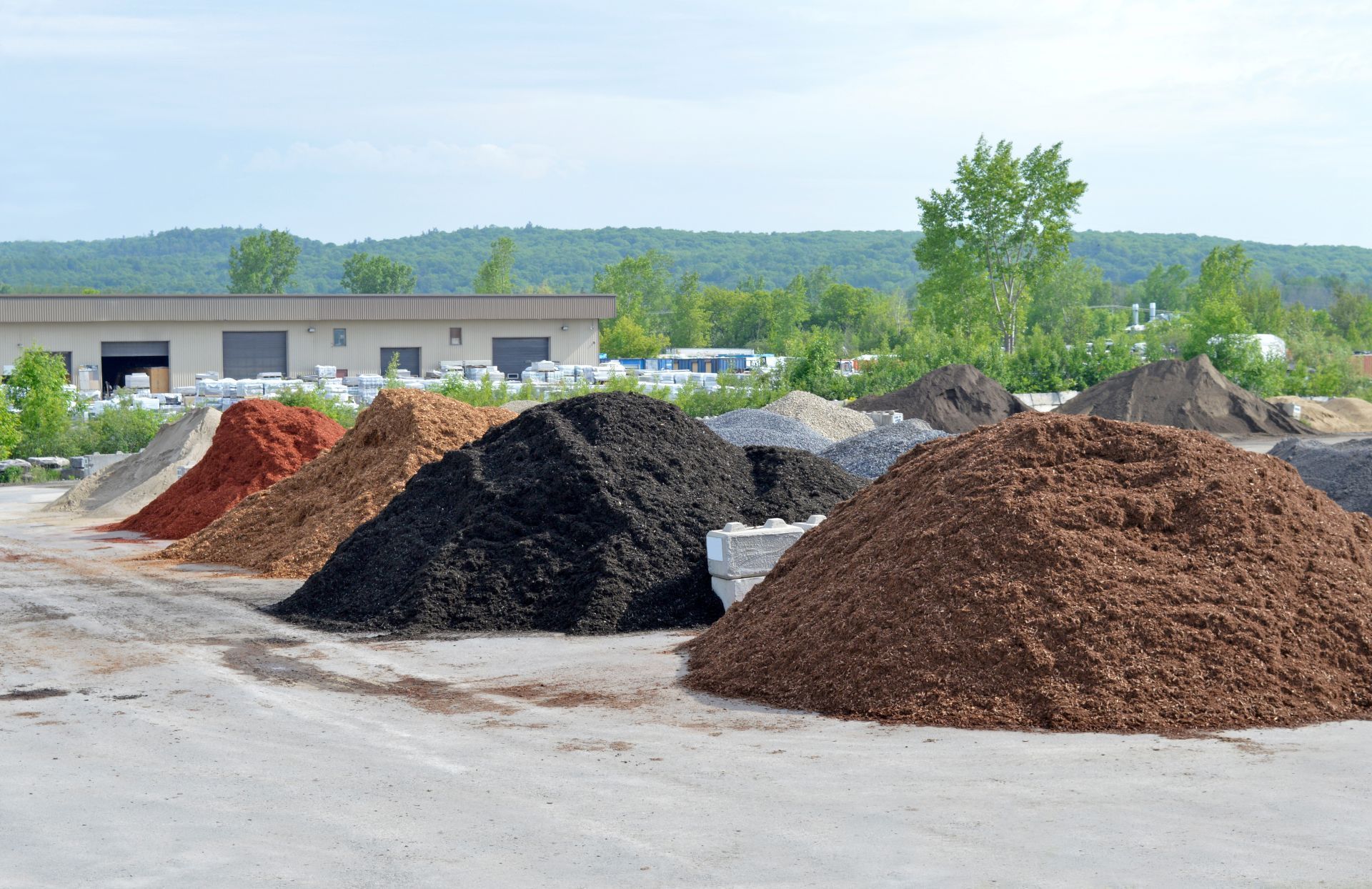
Base Material That Keeps Concrete Stable
Rock supply services in Springfield, Chatham, IL, and Central Illinois, provide the foundation layer needed for driveways, patios, and slabs that last.
Before concrete is poured in Illinois, a layer of rock goes down first to stabilize the soil and manage water movement underneath the slab. Without this base, the concrete sits directly on dirt that can shift, settle, or hold moisture, all of which lead to cracking and uneven surfaces over time. You will notice this on older driveways where sections have dropped or where the edges crumble because the base underneath was either too thin or missing entirely.
J&A Concrete Solutions LLC supplies rock materials that are sized and graded for use under concrete installations. The rock provides a stable platform that distributes weight evenly and allows water to drain through instead of pooling under the slab. This is especially important in Illinois, where freeze-thaw cycles cause soil to expand and contract. The rock layer acts as a buffer that prevents this movement from reaching the concrete above.
If you are planning a concrete project and want to make sure the base is built correctly, contact J&A Concrete Solutions LLC to discuss rock supply and installation options in Chatham, IL.
Why Rock Matters Under Every Concrete Pour
The rock is delivered to your site in Illinois and spread evenly across the prepared area, typically in layers that are compacted as they go down. Crushed limestone or gravel is most common because it locks together when compacted and resists shifting. The thickness of the rock layer depends on what the concrete will support, with driveways and patios usually requiring four to six inches of compacted base.
Once the rock is in place and compacted, the surface becomes firm and level, with no soft spots or voids underneath. Water drains through the rock instead of sitting on top of the soil, which keeps the base dry and stable year-round. This support prevents the concrete from cracking or sinking as the ground underneath moves with temperature changes.
Rock supply is typically part of a larger concrete installation project and is not sold separately for unrelated landscaping or decorative use. The material is selected based on the specific soil conditions and load requirements of your project. The crew will assess your site and recommend the right type and depth of rock to match what the concrete will be supporting.
Homeowners often want to know how much rock is needed, what type is used, and how it fits into the overall timeline of their concrete project.
Common Concerns About Base Preparation
J&A Concrete Solutions LLC provides rock supply as part of complete concrete installations across Illinois, ensuring that every project starts with a stable, well-drained foundation.
If you are planning a driveway, patio, or slab and want to discuss base preparation, reach out to the team to go over your project details.