
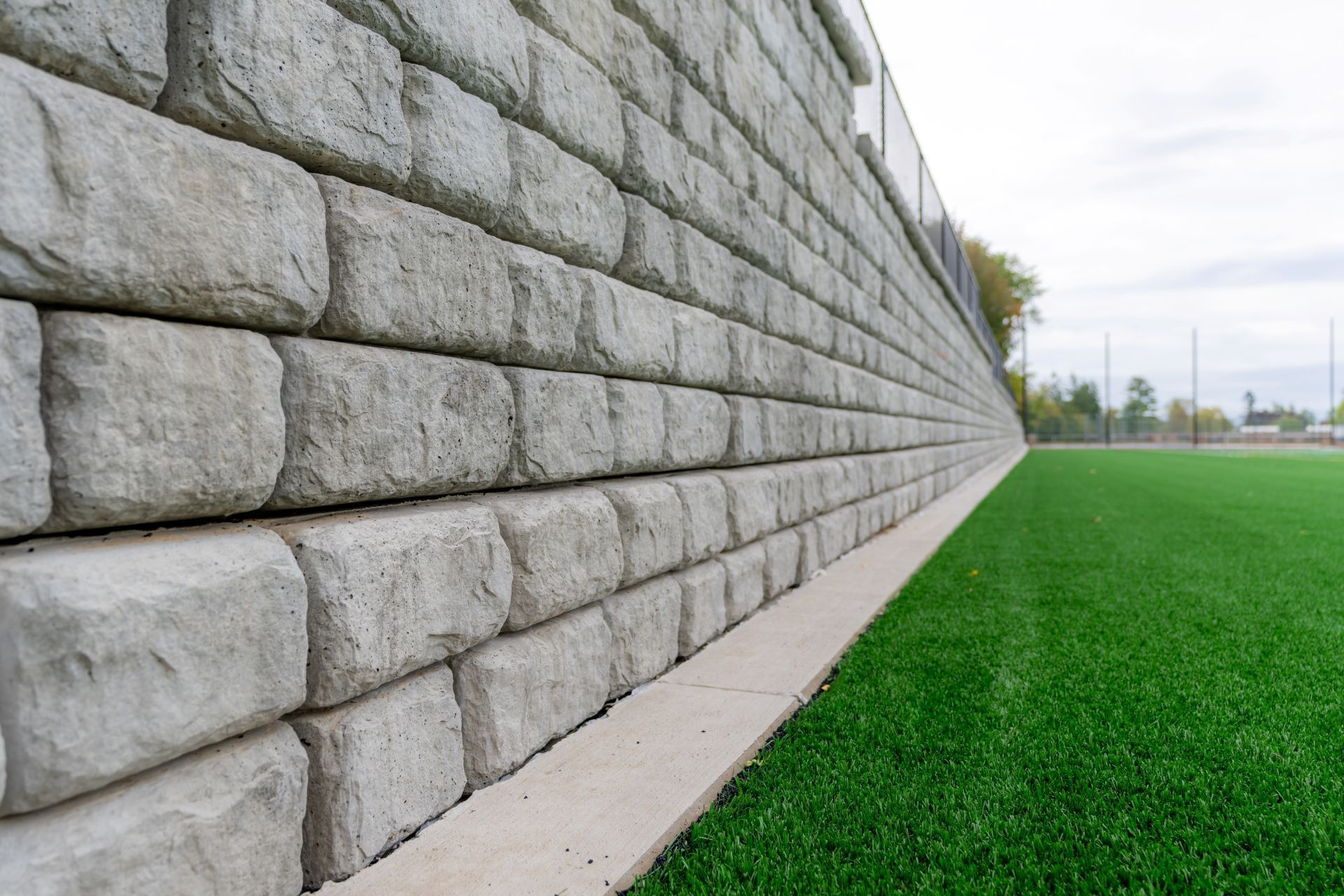
Holding Back Soil When Grades Shift
Concrete retaining wall construction for residential and commercial sites in Springfield, Chatham, IL, and surrounding areas
When your yard slopes sharply or soil washes downhill after heavy rain, a retaining wall may be the only way to stabilize the grade and keep the ground in place. Without structural support, slopes erode, create uneven surfaces, and make it difficult to use or landscape the property. In Springfield, properties with elevation changes often need retaining walls to manage drainage, prevent erosion, and make outdoor spaces more usable.
J&A Concrete Solutions LLC builds concrete retaining walls designed for structural support and long-term performance. Each wall is tailored to the site-specific conditions, including soil type, drainage patterns, and the height of the grade change. The walls hold back soil while allowing water to drain properly, which prevents pressure buildup that can cause cracking or failure. Whether you need a wall for a residential yard or a commercial site in Springfield or Chatham, IL, the result is a stable structure that manages the landscape and lasts for years.
Reach out to J&A Concrete Solutions LLC to discuss retaining wall options and get a plan based on the conditions of your property in Springfield, Jacksonville, Sherman, Chatham, IL, or a neighboring community.
How retaining walls manage soil and water
Building a retaining wall that holds up requires a foundation that sits below the frost line and a drainage system that moves water away from the back of the wall. In Springfield, the crew excavates the site, pours a footing, and builds the wall with reinforcement that resists the pressure of soil and water. Weep holes or drainage pipes are installed to prevent water from pooling behind the wall and pushing it forward.
After the wall is built, you will see a solid barrier that holds the slope in place and prevents soil from washing into lower areas. The ground behind the wall stays level, and water drains away instead of eroding the base or creating muddy runoff. A properly designed retaining wall stops erosion and gives you usable, stable ground where the slope once made landscaping or construction difficult.
The crew works with homeowners and business owners to design walls that fit the height and length needed for the site. If the grade change is significant, the wall may be built in tiers to reduce pressure and improve stability. The team does not handle walls that require engineering stamps, so projects stay within practical, buildable limits.
Clients usually ask how tall the wall can be, whether it will crack under pressure, and how drainage is managed to keep the wall from failing. These questions come up before most retaining wall projects in Springfield.
What most people want to know beforehand
Yes, retaining walls are specifically designed to manage sloped yards and elevation changes. The crew adjusts the design based on the grade and soil conditions at your property in Springfield.
If you have a slope that needs stabilization or want to create level areas on your property in Springfield, J&A Concrete Solutions LLC can assess the site and design a retaining wall that fits the conditions.
Contact the team to schedule a consultation and start planning the project.